
Worried About the Anal Fistula?
VAAFT for Fistula Treatment in Navi Mumbai: Video-Assisted Anal Fistula Surgery
- Senior Colorectal Surgeon | Dr. Nitish Jhawar | 26+ Years Experience | Apollo Hospital

Book An Appointment
VAAFT (Video-Assisted Anal Fistula Treatment) is an advanced sphincter-saving surgery to treat complex or recurrent anal fistulas performed under video endoscopic vision.
Dr. Nitish Jhawar is a senior Colorectal, laparoscopic & Robotic Surgeon with over 26+ years of experience. He is one of the few specialists in India internationally trained by Dr. P. Meinero (the inventor of VAAFT).
What is VAAFT(Video-Assisted Anal Fistula Treatment)?
VAAFT (Video-Assisted Anal Fistula Treatment) is a minimally invasive, sphincter-preserving surgical technology used to treat anal fistulas.
It utilizes a specialized fistuloscope (endoscope) that allows the surgeon to treat the fistula through the existing external opening bypassing the need for large external incisions.
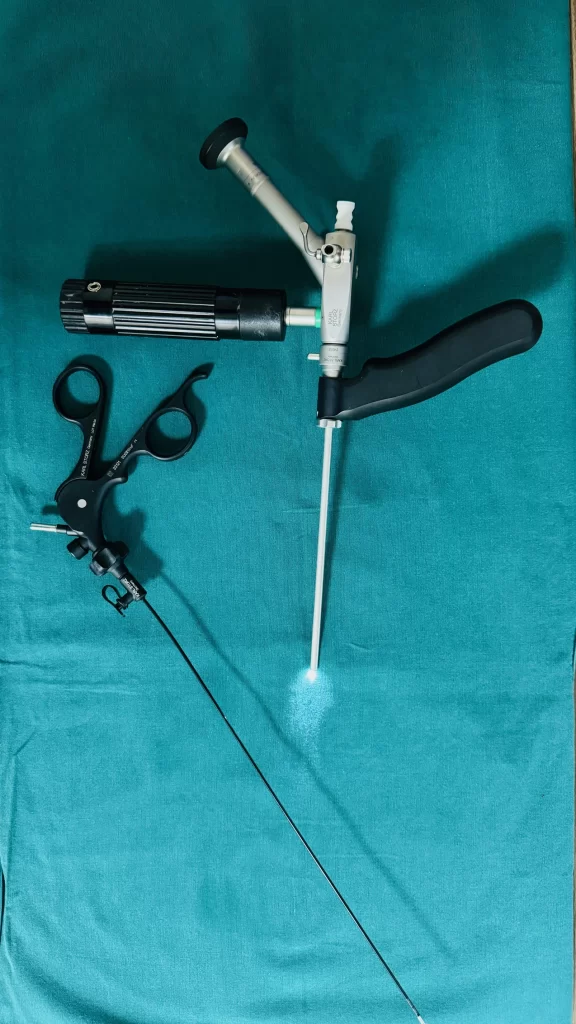
In short, VAAFT enables the surgeon to treat fistulas accurately, protecting muscle function and allowing patients to recover quickly and comfortably.
Understanding Anal Fistula and the Need for VAAFT
Overview of Anal Fistula
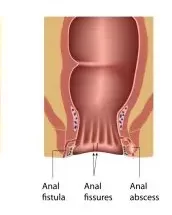
An anal fistula is an abnormal tunnel that forms between the inside of the anus or rectum and the skin around the anus.
Symptoms of Anal Fistula include Pain, swelling around anus, discharge of pus or blood and irritation or itching.
Which Fistulas May Need VAAFT?
Understanding Fistula- Simple, Complex, Horseshoe, Recurrent
To determine the necessity of VAAFT, fistulas are categorized based on their anatomical complexity:
- Simple Fistulas – A single, direct tract that involves minimal muscle. often treatable via laser.
- Complex Fistulas / Horseshoe Fistula –These tracts are deeper, may involve a large portion of the anal sphincter, or have multiple "horseshoe" branches.
- Recurrent Fistulas – Fistulas that reappear after previous treatments.
When is VAAFT recommended For Anal Fistula?
VAAFT is usually considered for patients in Navi Mumbai who have been diagnosed with a Complex Fistula or those who have a failure of previous surgery.
Why VAAFT Works Better for Complex/ Recurrent ("Redo") Fistulas
- Pinpointing the Internal Opening: Endoscopic guidance helps to locate internal opening.
- Sphincter Preservation: VAAFT Preserve remaining healthy muscle by operating inside the tract.
- Accuracy: VAAFT provides the high-definition view required to find and targeted cleaning of all necrotic debris.
VAAFT vs. Traditional Fistula Surgery
If you are comparing fistula treatment options, the primary difference between VAAFT and traditional fistula surgery lies in endoscopic visualization in VAAFT.
This significantly lowers the risk of sphincter damage, speeds up recovery, and reduces post-operative pain.
Here’s a simplified comparison between traditional treatments and VAAFT:
Aspect | Before VAAFT: Traditional Treatment | With VAAFT |
Visualization | Limited view, requiring larger incisions for access. | Clear, magnified view using a camera for precise targeting. |
Invasiveness | More invasive, with large cuts, leading to longer recovery times. | Minimally invasive, using small incisions, reducing pain. |
Sphincter Preservation | Higher risk of damaging anal sphincters, potentially causing incontinence. | Better sphincter preservation, minimizing incontinence risk. |
Recovery Time | Longer recovery with more discomfort and longer hospital stays. | Faster recovery, less pain, and often shorter hospital stays. |
Risk of Recurrence | Higher if fistula tracts aren’t fully visualized or treated. | Lower recurrence due to thorough, targeted treatment. |
Why Traditional Treatments May Not Be Effective for Complex or Recurrent Fistulas
In cases of complex or recurrent anal fistulas, traditional treatments like fistulotomy or open surgery often fall short. Here are possible reasons –
Limited Visualization:
- Traditional methods don’t offer the detailed visualization needed to navigate through the intricate paths of complex or branching fistulas. Surgeons often rely on physical examination and imaging.
- Because of this limited view If a microscopic side-branch is missed, the infection remains, leading to fistula recurrence.
Risk of Fecal Incontinence
- Conventional "cutting" surgeries (Fistulotomy) involve cutting through the sphincter muscles, with potential risk of incontinence.
Cumulative Tissue Trauma
- Each time traditional "redo" surgery creates more scar tissue and weakens the area which may fail to heal.
How VAAFT Minimizes These Risks
With Video-Assisted Anal Fistula Treatment (VAAFT), the surgeon uses a camera to navigate the entire fistula tract with precision. This allows them to target and treat the fistula without making large incisions or disturbing the anal sphincters. VAAFT significantly reduces the risk of:
- Incomplete Treatment: The camera provides a complete view of the fistula, ensuring no part is left untreated, lowering the risk of recurrence.
- Sphincter Damage: The minimally invasive approach helps avoid cutting near or through the sphincters, preserving their integrity and function.
In summary, VAAFT’s precise and minimally invasive approach is particularly beneficial for complex and recurrent anal fistulas, as it allows effective treatment while protecting the sphincter muscles and reducing recovery time.
Other Applications of Video-Assisted Colorectal Surgery
EPSiT (Endoscopic Pilonidal Sinus Treatment)
Complex drainage for Crohn’s-related fistulas.
How VAAFT Surgery is Performed?
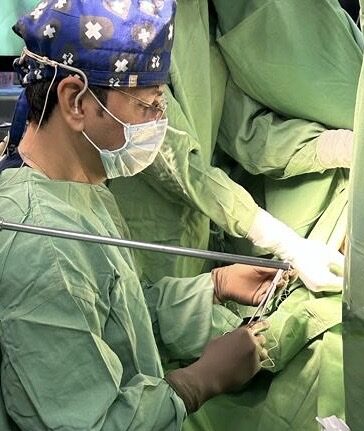
VAAFT in Navi Mumbai is performed under Direct HD-Vision guidance by Dr Nitish Jhawar, ensuring the better success for complex cases.
Step-by-Step Guide
- Pre-Operative Steps: Before the procedure, you’ll consult with the surgeon to discuss your medical history and review imaging studies (like MRI or ultrasound) and plan for surgery.
- Dr. Nitish Jhawar utilizes Digital Rectal Examination (DRE), proctoscopy, and MRI Fistulogram for evaluation.
- Anaesthesia: The VAAFT procedure is typically performed under general or spinal anaesthesia to keep you comfortable and pain-free throughout the surgery.
- Procedure :
- Step 1- HD Endoscopic Mapping: A specialized fistuloscope with HD camera is inserted through the external opening.
- The surgeon Dr. Jhawar identifies internal opening and any secondary branches.
- Step 2- Precise Debridement: Under continuous visual monitoring, specialized surgical instruments are used to clear all necrotic material and infected debris from the fistula tract.
- Step 3-Targeted Ablation & Closure: The surgeon seals the internal opening and fulgurates (cauterize) the fistula tract from the inside.
VAAFT Post-Procedure Care and Recovery
What to Expect After VAAFT Surgery
- Duration: The VAAFT procedure generally lasts between 30 minutes and an hour, depending on the complexity of the fistula.
- Recovery Timeline: Most patients experience mild discomfort post-surgery, typically subsiding within a few days. Full recovery and return to normal activities generally take 1-2 weeks, with a follow-up visit to monitor healing.
Recovery and Post-Operative Care after VAAFT for Fistula
The recovery after Video-Assisted fistula surgery is faster than traditional methods because there are no large open wounds to manage.
Immediate Aftercare
- The First 48 Hours: Most patients are discharged same day or next day.
- Wound Care: Keep the area clean and dry, and follow your surgeon's instructions for wound care.
- Hygiene & Hot Sitz bath:Soak the operated area in warm water for 10-15 minutes, 2-3 times a day, to ease pain, promote healing, and keep the area clean. Avoid adding any substances unless recommended by your doctor.i
- Managing Pain: Mild pain or discomfort is normal; pain relievers may be prescribed to ease any post-surgery soreness.
- Rest: Limit physical activity for a few days to allow the area to heal and reduce swelling.
Long-Term Recovery and Follow-Up
- Resuming Activities: Most patients return to desk job within 3–5 days. Strenuous exercise or heavy lifting should be avoided for 2 weeks until cleared by the surgeon to allow the internal tract to seal completely.
- Follow-Up Visits: Follow-up appointments are essential to monitor healing, ensure the fistula has closed properly, and check for any signs of recurrence.
Regular follow-ups support a smooth recovery and allow early intervention if any issues arise.
Why Choose Dr. Nitish Jhawar for VAAFT at Apollo Hospital, Navi Mumbai?
Choosing the right surgeon for a complex fistula is the most critical factor in preventing recurrence.
Dr. Nitish Jhawar offers a combination of international expertise and advanced surgical infrastructure:
- Mentored by the Inventor: Dr. Jhawar is personally trained in the VAAFT technique by Dr. P. Meinero, the Italian surgeon who invented the procedure.
- 26+ Years of Surgical experience: With over two decades of experience in colorectal & laparoscopic surgery, Dr. Jhawar is expert in complex fistula treatment & “Redo” cases.
- Apollo Hospital Infrastructure: Apollo Hospital, Navi Mumbai, ensures access to world-class set- up.
- Sphincter-Preservation: Dr. Jhawar’s primary goal in utilizing VAAFT is to avoid the risk of cutting the muscles.
Book Appointment with Dr Nitish Jhawar to discuss if VAAFT is an option for your fistula treatment.
Call/WhatsApp 9833290590
Frequently Asked Questions (FAQ) on VAAFT
VAAFT is suitable for patients with complex or recurrent anal fistulas, especially those close to the anal sphincters. It’s recommended for individuals seeking a minimally invasive solution with a lower risk of incontinence.
VAAFT is considered a safe and effective treatment for anal fistulas.
Its minimally invasive nature means a lower risk of complications compared to traditional methods, with reduced chances of damage to the anal sphincters.
Both are advanced treatment options for fistula and many times used together. VAAFT provides a camera-guided view especially helpful for complex and branching fistulas whereas Laser helps in sealing the fistula tract.
VAAFT is typically performed under general or spinal anaesthesia, ensuring that the patient is comfortable and pain-free during the procedure.
Most patients can resume light activities within a few days and return to work within 1-2 weeks after VAAFT, depending on the nature of their job and individual recovery speed.