
Do You Experience Sharp Pain, Burning Sensation, or Seeing Red Blood When Pooping?
Anal Fissure Treatment Specialist in Navi Mumbai & Laser Surgery
- Dr Nitish Jhawar, with 26 years of experience | National & International Trainer in Laser Proctology.
Book An Appointment
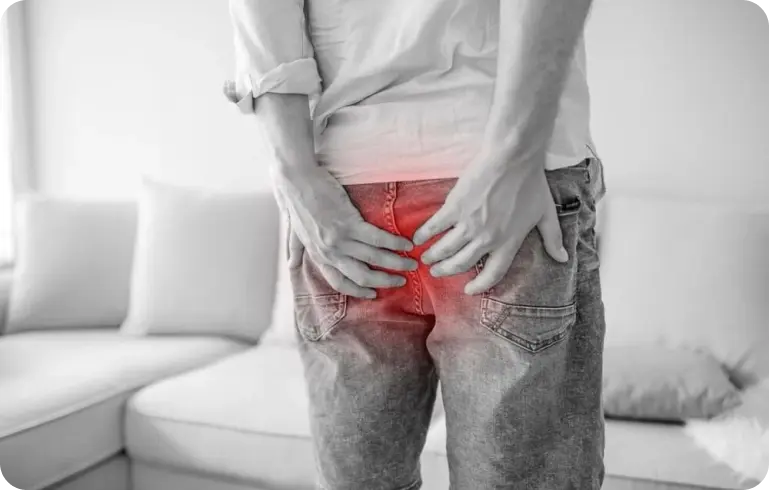
Pain or burning after motion, or fear of going to the toilet may indicate a chronic anal fissure and often require proper evaluation to break the pain–spasm cycle that prevents healing.
Dr. Nitish Jhawar (senior colorectal and laparoscopic surgeon) provides advanced treatment for anal fissure, and laser fissure surgery at Apollo Hospital Belapur, Navi Mumbai Neoalta Clinic Vashi, and Zen Hospital Chembur.
Why Does Fissure Pain Continue After Motion?: Pain–Spasm Cycle
An anal fissure is a small tear in the skin around the anus, commonly caused by constipation, hard stool, or excessive straining.
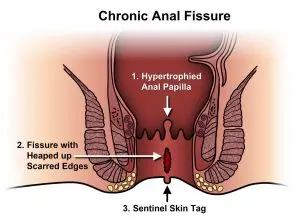
In chronic fissure, the anal muscle becomes tight and goes into spasm after bowel movement. This spasm reduces blood flow to the fissure and prevents healing.
As a result, patients experience prolonged burning or cutting pain hours after passing stool.
Breaking this pain–spasm cycle is an important goal of fissure treatment.
When Does a Fissure Need Surgery?
Many chronic fissures do not heal permanently with creams and medicines alone and require require anal fissure surgery to fix.
You may require surgical treatment if:
- pain keeps returning despite medicines
• fissure does not heal completely
• symptoms continue for weeks or months
• severe muscle spasm prevents healing
• daily activities become difficult because of pain
Why Choose Early Treatment?
Early treatment of an anal fissure is important to prevent it from becoming chronic, which can lead to more severe pain and complications.
Simple steps, like adjusting your diet or using medications, can help early on, but for long-term relief, especially in chronic cases, seeking the help of a specialist is crucial.
Dr. Nitish Jhawar, an expert in anal fissure treatment in Navi Mumbai, provides advanced care, including minimally invasive procedures like laser surgery and lateral internal sphincterotomy (LIS), which offer faster recovery and effective long-term results.
What Causes Anal Fissures?
Straining (constipation)
Chronic diarrhoea
Anal trauma (childbirth, exams)
Inflammatory bowel conditions (e.g., Crohn’s)
Risk Factors for Anal Fissure
Low-fiber diet:
Dehydration:
Sedentary lifestyle:
Symptoms of Anal Fissures
Sharp pain during or after bowel movements:
A sudden, intense pain in the anus, especially during or immediately after passing stool, is a common sign of a fissure.
Blood on toilet paper or stool:
Fresh, red blood may appear on toilet paper or in the stool, indicating a tear in the anal lining.
Itching or irritation around the anus:
The fissure can cause persistent itching and discomfort around the anal area.
Visible tear or crack in the anal skin:
In some cases, a small cut or crack can be seen around the anus, which is a clear sign of a fissure.
Symptoms lasting longer than six weeks (chronic fissure):
If the pain and other symptoms persist for more than six weeks, it indicates a chronic fissure that may need medical treatment.
Persistent pain despite home treatments:
If over-the-counter treatments and lifestyle changes do not alleviate the pain, it’s time to seek medical advice.
Many patients confuse fissure with piles. Proper evaluation helps identify the exact cause and treatment approach.
👉 Related: Piles Treatment in Navi Mumbai
Non Surgical Treatments For Anal Fissure in Navi Mumbai
Early fissures may improve with:
Lifestyle Modifications:
A high-fiber diet and increased water intake can soften stools, reducing strain during bowel movements. These simple changes help prevent further tearing and aid in healing anal fissures naturally. Avoiding straining is key to preventing recurrence, especially for those dealing with chronic fissures.
Topical Medications:
Ointments like nitroglycerin or calcium channel blockers help relax the anal sphincter, reducing muscle tension and promoting healing. These medications are often the first line of treatment for anal fissure surgery in Navi Mumbai, helping many patients avoid surgery.
Botox Injections:
In selected patients, Botox injection may help relax the anal muscle temporarily, providing relief from pain and allowing the fissure to heal. This is a less invasive option for those who want to try a non-surgical approach before considering more advanced treatments like laser surgery or lateral internal sphincterotomy.
Laser & Surgical Treatment for Anal Fissure Surgery In Navi Mumbai: Dr Nitish Jhawar
When non-surgical methods don’t provide enough relief, surgical treatments are available to heal chronic anal fissures effectively.
In Navi Mumbai, advanced procedures are offered by specialists like Dr. Nitish Jhawar, ensuring patients receive the best care possible.
These may include:
• Laser fissure treatment
• Lateral Internal Sphincterotomy (LIS)
• Management of associated skin tags or sentinel piles
Lateral Internal Sphincterotomy (LIS)
LIS is the most commonly performed surgery for chronic anal fissures.. The procedure involves cutting a small portion of the internal anal sphincter muscle to relieve pressure and pain, allowing the fissure to heal properly.
Laser Surgery for Anal Fissures
Laser surgery is a minimally invasive option where laser energy is used to remove the fissure. This leads to faster healing and reduced post-operative discomfort.
- Ideal for: Patients seeking quicker recovery with minimal tissue damage.
- Benefits: Less pain, minimal bleeding, and a swift return to daily activities.
- Availability: Advanced laser surgery for anal fissures in Navi Mumbai is offered by experienced surgeons.
Advancement Flap Surgery
This procedure involves covering the fissure with healthy tissue from nearby areas to promote healing.
- Best for: Complex cases or when other treatments have failed.
- Benefits: Helps heal non-healing or recurrent fissures by introducing healthy tissue.
- Considerations: Typically recommended when sphincter-sparing procedures are necessary.
Fissurotomy
A fissurotomy involves the removal of the fissure to allow fresh, healthy tissue to grow in its place.
- Ideal for: Patients whose fissures have not healed with other treatments.
- Benefits: Direct removal of damaged tissue to promote healing.
- Procedure: This can be combined with other treatments like sphincterotomy for better results.
How’s the Recovery from Anal Fissure Surgery?
Post-Surgical Recovery Time
Most patients recover from procedures like lateral internal sphincterotomy (LIS) or laser surgery for anal fissures within 1-2 weeks. While you may feel relief soon after surgery, full healing can take a few additional weeks, depending on the severity of the fissure and the type of procedure.
Post-Operative Care Tips
- High-fiber diet: Stick to a diet rich in fiber and drink plenty of water to avoid straining during bowel movements, which is essential for proper healing.
- Sitz baths: Taking warm sitz baths several times a day can help soothe the surgical area, reduce discomfort, and speed up recovery.
- Follow-up consultations: Regular check-ups with your doctor are important to monitor healing and prevent any recurrence of fissures.
Minimal Risk of Complications:
Modern techniques like laser surgery and LIS are safe and effective, with a very low risk of complications. Incontinence is rare, and most patients experience significant relief from their symptoms without long-term issues.
Why Choose Dr. Nitish Jhawar for Anal Fissure Surgery in Navi Mumbai?
Dr. Nitish Jhawar is a highly experienced laparoscopic and colorectal surgeon at Apollo Hospital, Navi Mumbai and Zen Multi-speciality Hospital Chembur, Mumbai.
- 26+ years of colorectal and laparoscopic surgical experience
- National and international trainer in minimally invasive proctology techniques
- Apollo Hospital association for advanced surgical care
- Treatment planned according to fissure stage and patient condition.
Experience in Complex & Recurrent Fissure Cases
Many patients seek consultation after persistent fissure pain, incomplete healing, or recurrence despite previous treatment.
Dr. Nitish Jhawar regularly evaluates chronic and recurrent fissure cases requiring advanced colorectal surgical planning including laser surgery, lateral internal sphincterotomy (LIS), and the advancement of flap surgery.
Laser Proctology Excellence at Apollo Hospital, Belapur
For patients seeking the highest standards of safety, advanced German Laser technology, and premium inpatient care, Dr. Nitish Jhawar performs procedures at Apollo Hospital, Belapur.
Patients seeking a second opinion after persistent or recurrent fissure symptoms may benefit from detailed colorectal evaluation and treatment planning.
His extensive training from leading international institutes in the USA, Austria, and India, along with his fellowship from the Association of Colorectal Surgeons of India (FACRSI), makes him one of the best surgeons in the region for treating complex proctology conditions.
Dr. Jhawar is known for offering personalized care, explaining procedures thoroughly, and ensuring that surgery is only recommended when absolutely necessary.
Frequently Asked Questions About Anal Fissure Surgery In Navi Mumbai
An acute anal fissure typically heals within 4 to 6 weeks with conservative treatments like dietary changes and topical ointments. If the fissure persists beyond this period, it may become chronic and require more intensive treatment, including surgery.
If an anal fissure doesn’t heal on its own, it can become chronic, causing persistent pain and discomfort. In such cases, medical treatments like Botox injections, topical medications, or surgery (such as lateral internal sphincterotomy) may be necessary to promote healing.
Some fissures improve with medicines, and lifestyle changes. Chronic fissures with persistent spasm may require surgery.
However, Chronic fissures with persistent spasm may require surgery such as LIS or laser treatment.
After anal fissure surgery, most patients experience some discomfort for a few days, but the pain from the fissure itself usually resolves within a week.
Full recovery may take several weeks, and any post-surgical pain can be managed with pain relievers and proper aftercare.
While anal fissures can recur after surgery, it is uncommon. Maintaining a high-fiber diet, staying hydrated, and avoiding straining during bowel movements can help reduce the risk of recurrence.
Consult for Anal Fissure & Laser Surgery in Navi Mumbai
If you are struggling with persistent fissure pain, burning after motion, or recurrent symptoms, proper evaluation by colorectal surgeon helps determine the most suitable treatment approach.
📍 Neoalta Speciality Clinic, Vashi
📍 Apollo Hospital, Belapur
📍 Zen Hospital, Chembur
📞 Book your consultation with Dr Nitish Jhawar for fissure evaluation and treatment 9833290590