
Hernias are more common than many people realize—and yet, they are often misunderstood or misdiagnosed in their early stages. One of the earliest and most noticeable signs is a visible bulge in the abdomen or groin. But what exactly causes this bulge, and when should you seek medical attention?
Understanding the early signs and symptoms of a hernia is crucial to avoiding complications and receiving timely treatment. If left untreated, hernias can lead to serious health issues, including severe pain and tissue damage. Fortunately, expert help is available. Dr. Nitish Jhawar, a leading hernia specialist, emphasizes the importance of early diagnosis and proper medical care.
A hernia occurs when an internal organ or tissue pushes through a weak spot in the muscle or surrounding tissue wall. While hernias can happen in various parts of the body, they are most commonly found in the abdominal region.
Recognizing a hernia early can prevent complications. Below are the most common signs to look out for:
The most noticeable early symptom is a soft lump or bulge in the abdomen or groin area. This bulge may become more prominent when standing, coughing, or lifting something heavy.
You might feel discomfort, pressure, or mild pain at the site of the bulge, especially when bending or straining. Over time, this can develop into chronic pain if left untreated.
A dragging or heavy sensation in the abdomen could be an early indicator of a hernia, especially after prolonged standing or physical activity.
In the case of hiatal hernias, patients may experience acid reflux, heartburn, or difficulty swallowing. These symptoms are often misattributed to other digestive conditions.
If you notice a bulge that comes and goes, especially with physical activity, it’s essential to consult a specialist. Dr. Nitish Jhawar, a trusted name in hernia treatment, recommends timely evaluation to avoid complications such as:
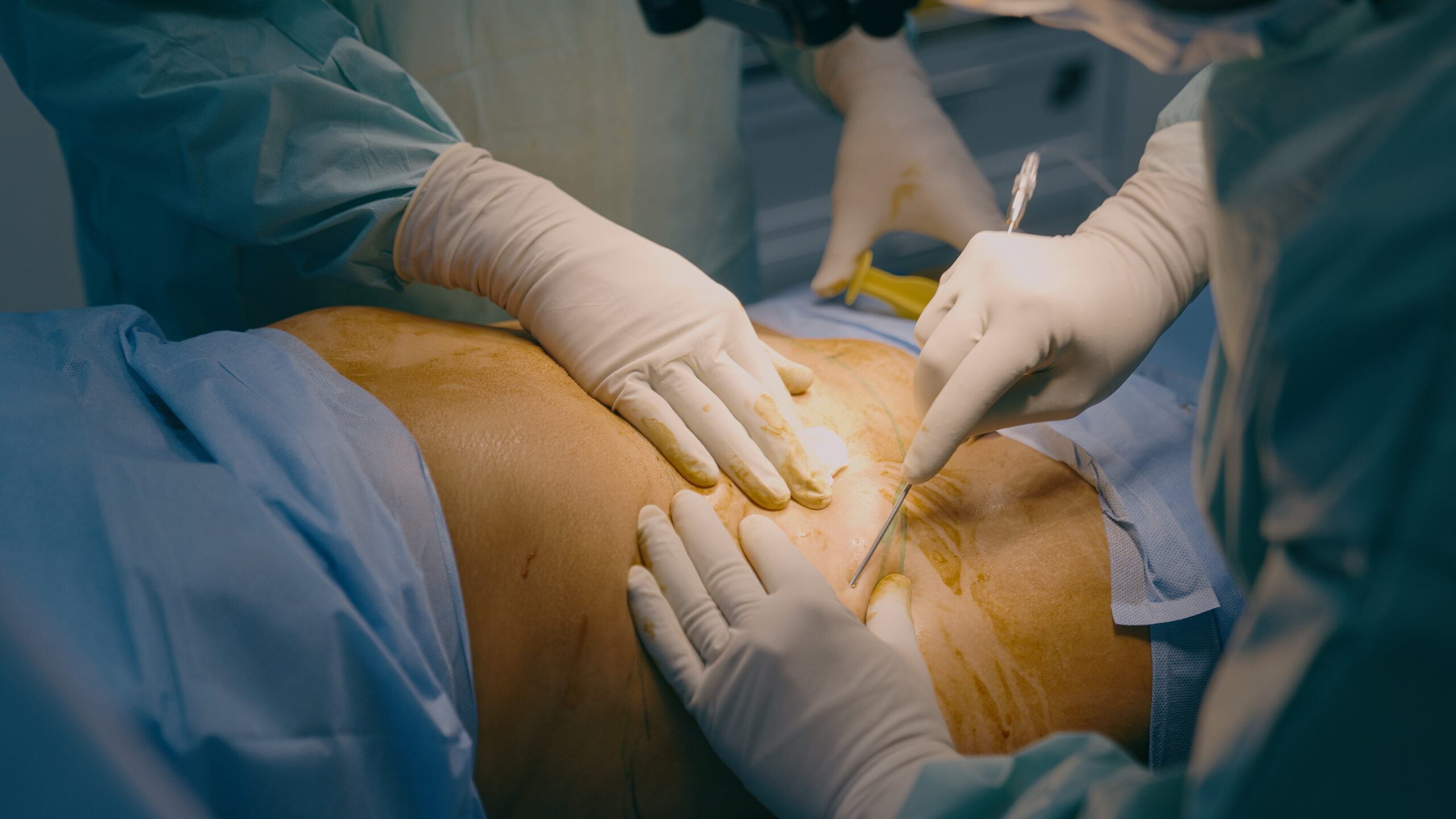
Dr. Nitish Jhawar specializes in advanced laparoscopic hernia surgery, offering faster recovery and minimal scarring.
While not all hernias are preventable, you can reduce your risk by:
No. Hernias do not heal without surgery. Even if symptoms are mild, they typically worsen over time.
Not always. Many hernias begin without pain but can become painful as they grow.
Most patients return to normal activities within 1 to 2 weeks, especially with laparoscopic surgery.
While trusses and belts may provide temporary relief, surgery is the only definitive treatment.
Dr. Nitish Jhawar is one of the top hernia specialists known for his expertise in minimally invasive laparoscopic surgery.
If you’ve been wondering, “Is that a bulge?”—don’t ignore it. A hernia, if detected early, can be treated effectively and with minimal downtime. Dr. Nitish Jhawar offers expert diagnosis and surgical care to help you return to a pain-free life.