
Don’t Let Gallbladder Pain Hold You Back
Laparoscopic Gallbladder Stone Surgery in Navi Mumbai
- Dr Nitish Jhawar, with 26 years of experience
Book An Appointment
With over 26 years of experience and thousands of successful gallbladder removals (Cholecystectomies), Dr. Nitish Jhawar is a leading expert in minimally invasive laparoscopic and robotic-assisted surgery in Navi Mumbai.
Operating at premier institutions like Apollo Hospital Belapur, he ensures the highest standards of patient safety, surgical precision, and faster recovery for every patient.
When to Consider Laparoscopic Surgery for Gallbladder Stone Removal?
“Silent” stones can wait, but symptomatic stones are a surgical priority.
If you’re experiencing severe or recurring symptoms, it may be time to consider laparoscopic gallbladder surgery in Navi Mumbai (laparoscopic cholecystectomy).
Surgery is often recommended when:
- Pain episodes are frequent or intense.
- Symptoms affect daily activities and quality of life.
- Complications like inflammation or bile duct blockage arise.
Symptoms & Signs of Gallbladder Stones
Common symptoms that may indicate gallbladder stones include:
Severe Abdominal Pain
Often felt in the upper right abdomen and can radiate to the back or shoulder.
Nausea and Vomiting
Especially after meals, as the digestive system struggles with blocked bile.
Jaundice
A yellowing of the skin, signalling blocked bile ducts.
Digestive Issues
Bloating, gas, and indigestion, particularly after heavy meals.
Why Choose Laparoscopic Gall Bladder Stone Surgery in Navi Mumbai Apollo Hospital?
Compared to open surgery, laparoscopic gallbladder surgery offers significant benefits, including:
- Minimal Pain and Scarring: Small incisions mean less discomfort and barely noticeable scars.
- Quick Recovery: Faster healing, allowing a quick return to normal life.
- Reduced Risk of Complications: A safer procedure with fewer risks.
What to Expect During Laparoscopic Surgery for Gallbladder Stone Removal in Navi Mumbai
Pre-Surgery Preparation
Consultations with Dr. Nitish involve discussing symptoms, reviewing medical history, and completing tests like blood work and imaging. You’ll receive clear instructions on fasting, medication, and any pre-op preparations.
During the Surgery:
Anaesthesia
You’ll receive general anaesthesia for comfort.
Incisions
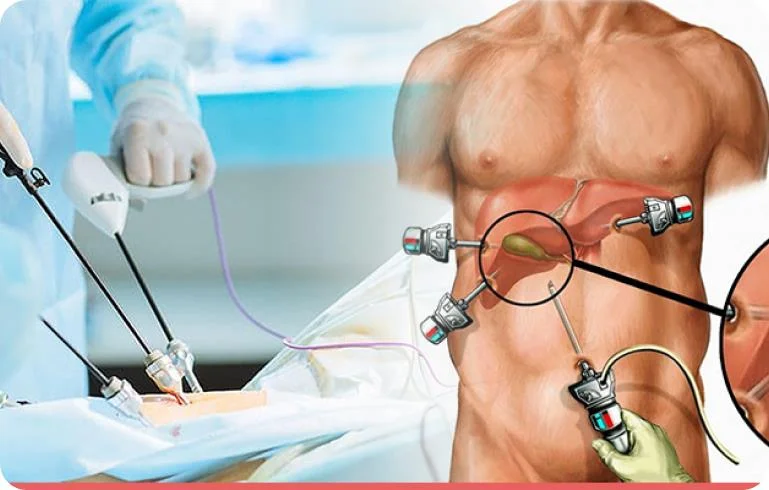
Dr. Nitish makes three to four small incisions.
Laparoscope Insertion
A thin tube with a camera provides a clear view.
Gallbladder Removal
Dr. Nitish carefully removes the gallbladder.
Closing Incisions
The incisions are closed with sutures or surgical tape.
Post-Surgery Care:
Recovery Timeline
Patients can usually go home within 24 hours.
Light activities and job may be resumed within a week.
Do’s and Don’ts
Rest, follow dietary advice, and avoid heavy lifting for a few weeks.
Follow-Up Care
Dr. Nitish will schedule a follow-up to monitor healing and offer further guidance.
Why Dr. Nitish Jhawar for your laparoscopic Gall Bladder Stone Surgery?
Patients seeking gallbladder surgery in Navi Mumbai and Mumbai choose Dr. Nitish for his mastery of minimally invasive techniques.
- 4K High-Definition Laparoscopy: advanced laparoscopy system at Apollo Hospital, Navi Mumbai for better visualization reduces tissue trauma and protects the common bile duct.
- 26 years of Experience: One of the senior surgeons in Mumbai with over 5000 gall bladder surgeires.
- Minimal cut, Short Stay and faster recovery: Most patients return home within 24 hours.
Where to Consult Dr. Nitish:
Apollo Hospital, Belapur, Navi Mumbai
10:00 AM - 1:00 PM, 5:00 PM – 7:00 PM (Mon-Sat)
Neoalta Specialty Clinic, Sector 17, Vashi:
7:30 PM – 9:30 PM
Zen Multi Specialty Hospital, Chembur E, Mumbai
Tuesday by appointment on call
Neoalta Clinic, Seawoods, Navi Mumbai
By appointment
Need a second opinion on Gall bladder stone in ultrasound in Vashi?
Visit Neoalta Clinic Vashi
Frequently Asked Questions
Hard deposits in the gallbladder that can cause pain, nausea, or infections if they block the bile ducts.
Surgery is typically needed if symptoms are severe, frequent, or cause complications. A consultation can help determine the best treatment.
Yes, it’s a safe, minimally invasive procedure with less pain, faster recovery, and fewer risks than open surgery.
Most patients recover within a week, with full recovery in 2–4 weeks. Light activities can often be resumed in a few days.
Initially, a low-fat diet is recommended. Most patients can return to a regular diet over time, though some prefer avoiding fatty foods.
Removing the gallbladder, rather than just the stones, is recommended because gallstones often recur if only the stones are removed. The gallbladder itself is the source of the problem, as it becomes prone to producing stones due to issues like poor bile drainage or inflammation.
Removing the gallbladder (cholecystectomy) ensures a permanent solution, preventing future complications such as pain, infection, or bile duct blockage, which can be more serious. The body adapts well without the gallbladder, making this a safer, long-term approach.